
Emergency Leak Detection: How Professional Systems Identify Water, Gas, and Air Leaks
Water leaks should not be overlooked in maintenance activities and can be quickly identified through emergency leak detection using a professional water leak detector. More generally, leak detection is crucial in many industrial sectors, literally spanning from Earth to space, as demonstrated in recent years by liquid and air leaks.
Leaks in a system can involve gases (helium, nitrogen, etc.), air, and water. For each type of leak, there is a specific leak detector that can assist maintenance personnel in finding even the smallest leaks. A very positive aspect of leak detectors is their minimally invasive nature and the ability to perform detections while machinery and systems remain operational, thus preventing productivity losses.
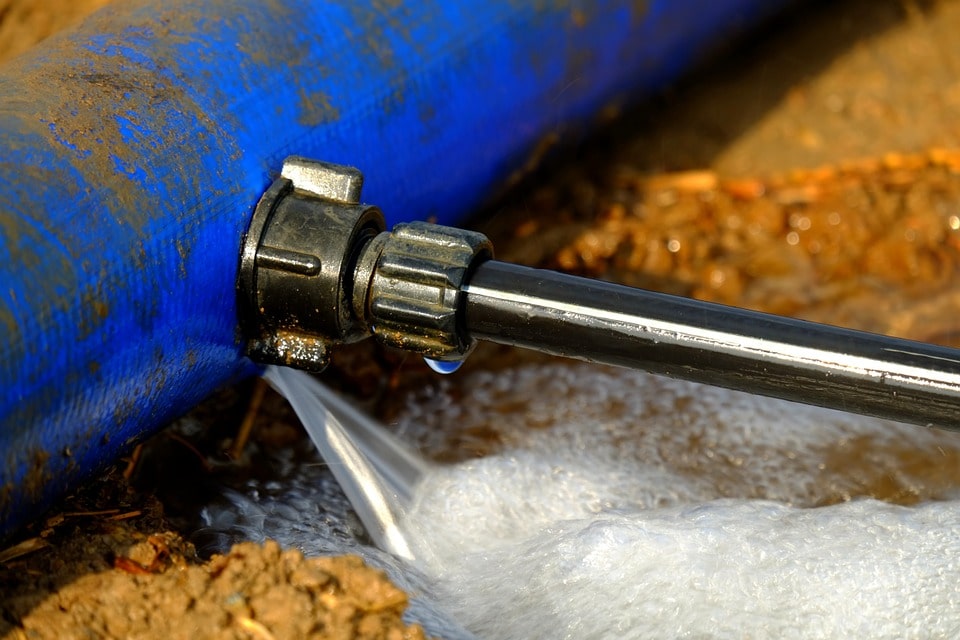
Emergency leak detection: what leaks can it detect?
Emergency leak detection identifies a leak within a circuit containing a liquid such as water, but also a gas or air. A wide range of detectors are available on the market, allowing you to identify the water leak detector or gas leak detector best suited to your situation.
A liquid leak detector, for example, can detect leaks of:
- Various types of industrial oils
- Diesel fuel
- Water
- Other liquids contained in cooling systems
A gas detector, in addition to detecting pressure losses from compressed air systems, locates leaks in small or large systems where gaseous industrial gases circulate or are stored.
>In summary, Emergency leak detection detects liquid and gas leaks in a variety of hydraulic circuits, pumping and storage systems, as well as machinery. They are also useful for detecting the presence of gases in confined spaces that are toxic to occupants.
Leak detectors are also divided by application. Therefore, we have fixed detectors whose task is to automatically shut down a system in the event of a leak or to trigger an audible and visual alarm at the location of the leak, and portable detectors used for inspection and maintenance.
Types of leak detections
Let’s now focus on the types of leak detectors used in inspection and maintenance activities, to discover their characteristics and areas of application.
1. Gas detectors
These are essential for finding system leaks along gas pipelines, detecting oxygen depletion, and also for detecting polluting and toxic emissions caused by combustion or flammable gases. Modern devices are multifunctional and can detect different gases in a single measurement. For example, detectors with catalytic and infrared sensors detect the presence or leakage of combustible gases, while detectors based on electrochemical and metal-oxide-semiconductor technologies identify toxic gases.
2. Ultrasonic leak detectors
Technicians use specialized detectors to identify tiny gas and air leaks by capturing the ultrasonic noise created by microcracks in pipes and ducts. In the automotive industry, these detectors allow professionals to detect engine leaks at combustion pressure levels, locate leaks in air intake pipes, and identify combustion gases in exhaust systems. In power plants, maintenance teams use these detectors to find compressed air leaks in compressor systems that supply actuators.
3. Acoustic camera
This is a special version of ultrasonic leak detectors, equipped with a camera that displays leaks on a color display. The gas is escaping, while the detection tool is extremely useful in situations where, for safety reasons, it is not possible to get close to operating machinery and systems.
4. Air quality monitors
While not strictly leak detection devices, air quality measurement devices can help detect the presence of certain gases in laboratories, factories, and offices. Their monitoring role can provide further evidence of a gas leak within a production site. Pollution monitors are equipped with warning systems to indicate. When safe levels of particles and gases harmful to personnel’s health have been exceeded.
5. Level sensors
Level sensors and switches determine how full a tank is, preventing liquid leaks. It can be float, capacitive, vibration, conductive, or ultrasonic.
6. Water infiltration thermography
Infrared thermal imaging cameras can detect water infiltration (rising, burst pipes, or falling water) in buildings and constructions, avoiding costly and invasive interventions.
Contact Us
Detecting system leaks requires a planned approach as part of routine maintenance. The use of professional, constantly calibrated leak detectors ensures early detection of leaks that could, in the long run, pose serious workplace safety risks. There are various types of leak detectors to provide support in a variety of situations. However, ultrasonic leak detectors are the most suitable. These devices stand out for their ability to detect leaks based on the sound they emit.
If you’re looking for a leak detector for inspection and maintenance, visit Leak Detection in London, for emergency service. 24/7 available.
The technicians we collaborate:
Local Services 24 Hour EMERGENCY PLUMBER 24 HOUR
